
Do Air Conditioners Really Need Regassing in London or Is It a Common Myth?

If your air conditioner in London isn’t cooling like it used to, you might have heard someone say it "just needs regassing." This idea is widespread, but it doesn’t quite fit how modern air conditioning systems work. At Core Climate, we often get asked whether air conditioners require regular regassing. The simple answer is no. A well-installed air conditioning system should not need routine regassing.
Let’s explore why this myth exists, how refrigerant works, and what you should do if your air conditioner isn’t performing well.
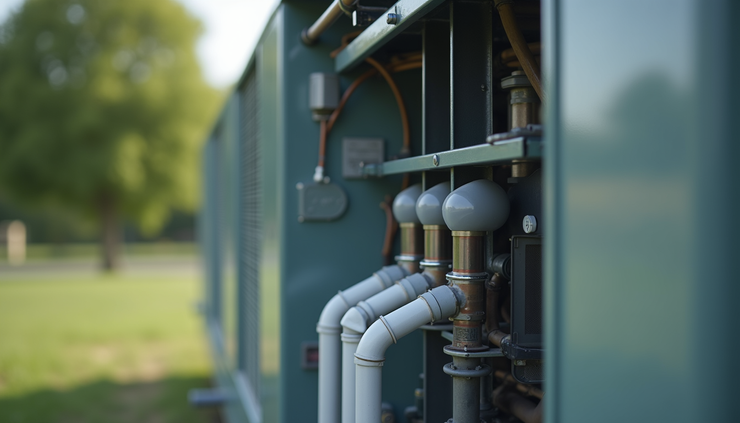
How Air Conditioning Refrigerant Works
Refrigerant is the substance inside your air conditioner that absorbs heat from inside your home and releases it outside. Unlike fuel in a car, refrigerant does not get used up or consumed. Instead, it moves continuously through a sealed system of pipes and coils.
The refrigerant changes from liquid to gas and back again as it absorbs and releases heat. This cycle cools your property efficiently. If your system is properly installed and maintained, the refrigerant should stay at the correct level for many years without needing to be topped up.
Why Do People Think Air Conditioners Need Regassing?
Many people believe that if their air conditioner isn’t cooling well, the refrigerant must have "run out." This is a common misconception. Refrigerant doesn’t disappear on its own. If the refrigerant level is low, it usually means there is a leak somewhere in the system.
Adding refrigerant without fixing the leak is like filling a bucket with a hole in it. The problem will come back, and you could end up spending more money in the long run.
Common Reasons Refrigerant Levels Become Low
Several issues can cause refrigerant to escape from your air conditioning system:
Damaged pipework: Pipes can crack or break due to wear or accidental impact.
Worn flare connections: These joints can loosen over time, especially if the system vibrates.
Corrosion on coils: Moisture and dirt can cause corrosion, leading to leaks.
Poor installation: Mistakes during installation can create weak points.
Vibration loosening joints: Constant movement can cause fittings to become loose.
Physical damage to outdoor unit or pipes: Weather, animals, or accidents can harm the system.
A qualified engineer should always find and repair the leak before adding more refrigerant. Simply topping up the refrigerant without fixing the leak will not solve the problem.
Signs Your Air Conditioner May Have Low Refrigerant
If your air conditioner is low on refrigerant, you might notice some of these symptoms:
The room takes much longer to cool than usual.
Warm air blows from the indoor unit instead of cool air.
Ice forms on the indoor coil or refrigerant pipes.
The system runs almost constantly without reaching the set temperature.
Your electricity bills increase unexpectedly.
You hear a hissing sound near the unit, which could indicate a leak.
These signs don’t always mean low refrigerant, but they do suggest your system needs a professional check.
What to Do If You Suspect Low Refrigerant
If you notice any of the symptoms above, contact a qualified air conditioning engineer in London. They will:
Inspect the system for leaks using specialised tools.
Repair any damaged components or joints.
Test the system to ensure it is sealed and working efficiently.
Recharge the refrigerant only after fixing leaks.
Regular maintenance can help catch issues early and keep your air conditioner running smoothly.
Why Routine Regassing Is Not Necessary
Modern air conditioning systems are designed to be sealed and efficient. If installed correctly and maintained well, they should not lose refrigerant. Routine regassing is unnecessary and could even hide underlying problems.
Instead of focusing on regassing, homeowners and businesses should prioritise:
Regular servicing by professionals.
Prompt repairs of any leaks or damage.
Keeping outdoor units clean and free from debris.
Monitoring system performance and energy use.
How to Keep Your Air Conditioner Running Efficiently in London
London’s climate means air conditioners are often used during warmer months, so keeping them in good condition is important. Here are some practical tips:
Schedule annual maintenance checks with a qualified engineer.
Clean or replace filters regularly to improve airflow.
Keep outdoor units clear of plants, dirt, and debris.
Avoid blocking vents or indoor units with furniture.
Address any unusual noises or performance drops immediately.
Taking these steps will help your system last longer and keep your home or business comfortable.
Your air conditioner should not need regular regassing if it is installed and maintained properly. If cooling performance drops, it’s usually a sign of a leak or other issue that needs professional attention. Don’t fall for the myth that topping up refrigerant is a simple fix. Instead, focus on proper care and timely repairs to keep your system running efficiently in London’s climate.
If you suspect your air conditioner needs attention, contact a qualified engineer to inspect and service your system. This approach saves money, improves comfort, and protects your investment over time.


Comments